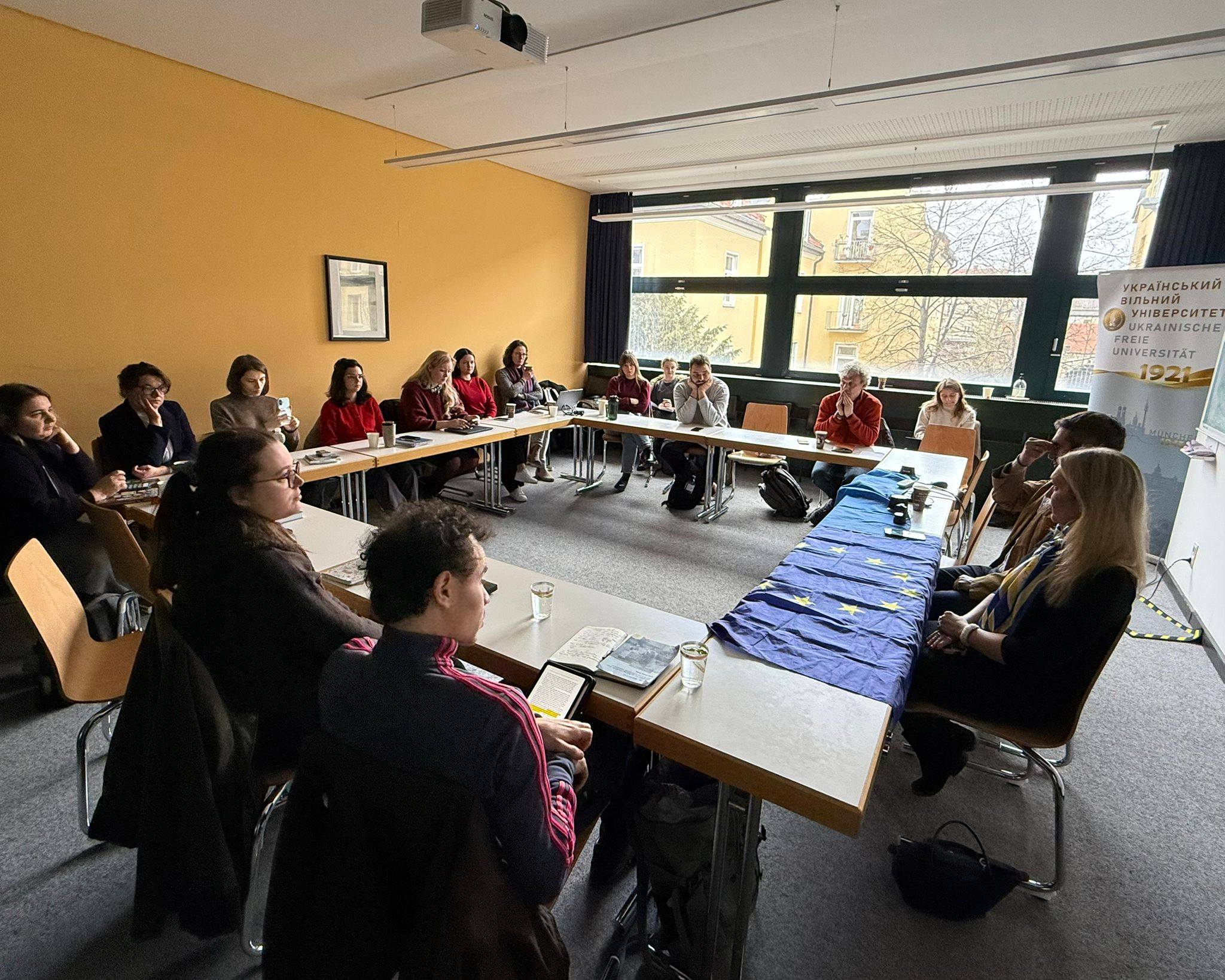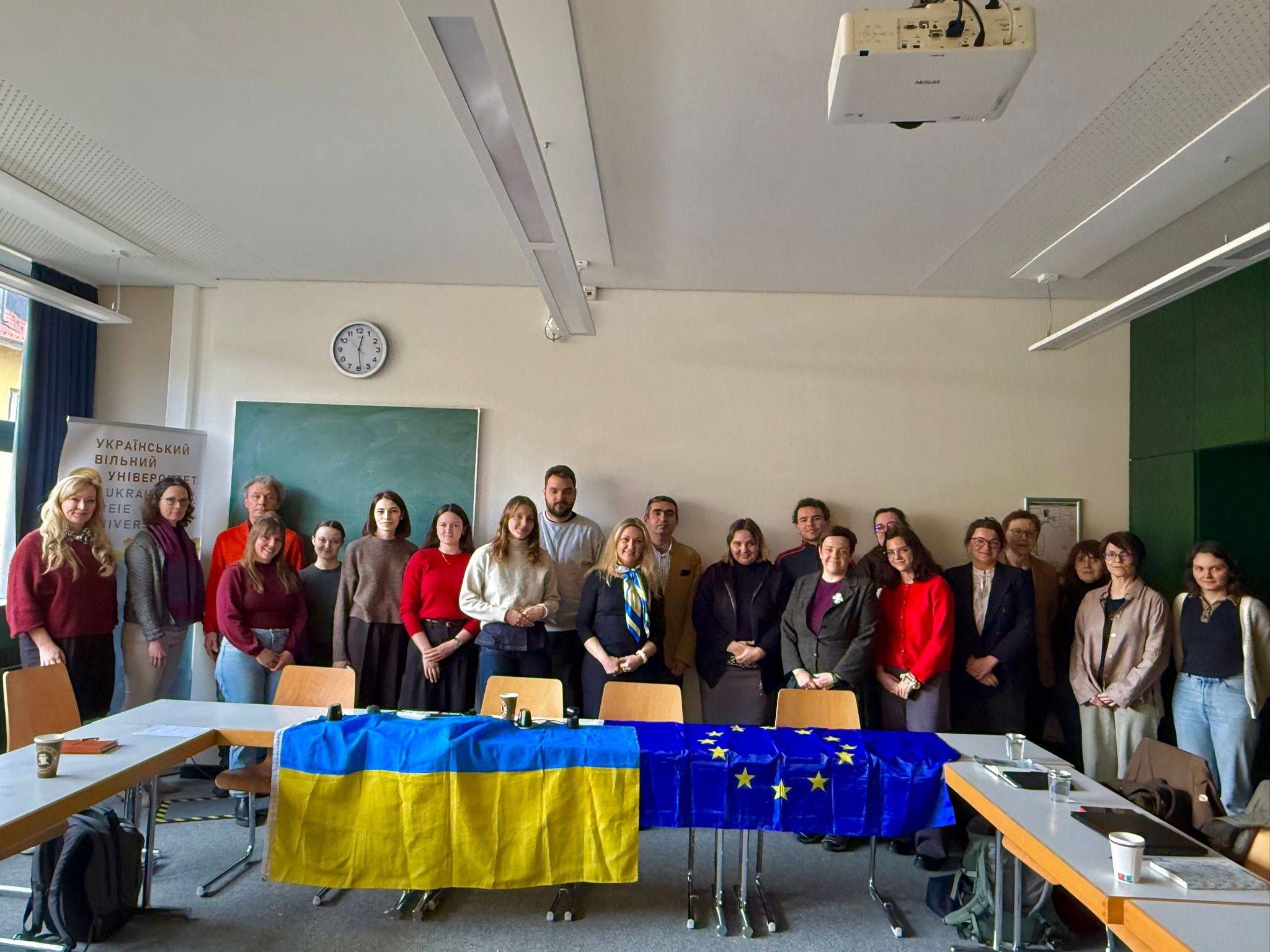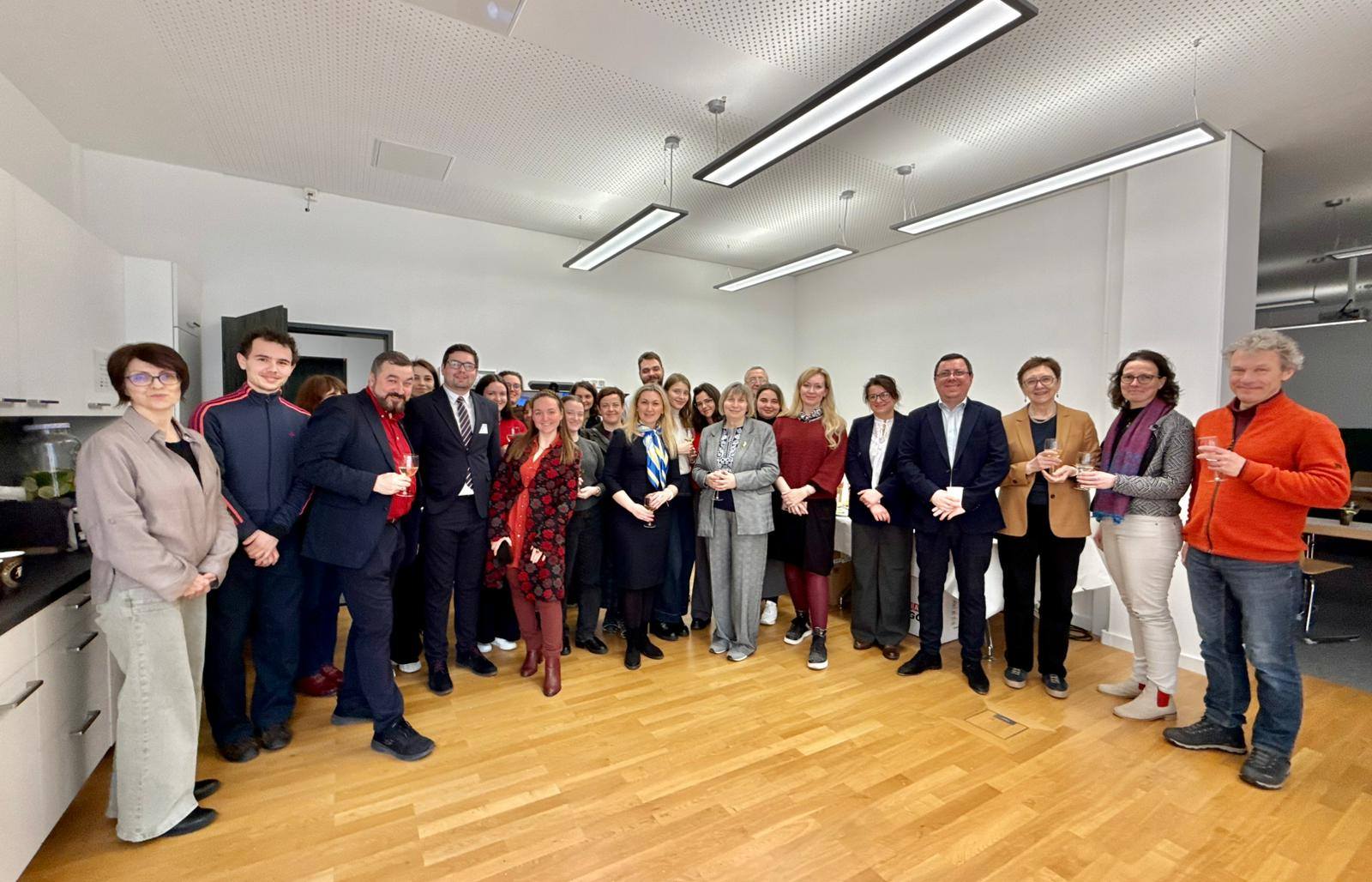
27 of March marked the emotional and intellectual conclusion of the 𝐖𝐢𝐧𝐭𝐞𝐫 𝐒𝐜𝐡𝐨𝐨𝐥 𝟐𝟎𝟐𝟔: “𝐔𝐤𝐫𝐚𝐢𝐧𝐢𝐚𝐧 𝐌𝐢𝐠𝐫𝐚𝐭𝐢𝐨𝐧 𝐢𝐧 𝐄𝐮𝐫𝐨𝐩𝐞 𝐚𝐧𝐝 𝐆𝐥𝐨𝐛𝐚𝐥𝐥𝐲 𝐢𝐧 𝐭𝐡𝐞 𝐗𝐗-𝐗𝐗𝐈 𝐂𝐞𝐧𝐭𝐮𝐫𝐲.” It was a week that transformed academic discourse into a profound exploration of the Ukrainian soul, identity, and our collective path toward the future.
𝐓𝐇𝐄 𝐏𝐒𝐘𝐂𝐇𝐎𝐋𝐎𝐆𝐘 𝐎𝐅 𝐓𝐑𝐀𝐍𝐒𝐅𝐎𝐑𝐌𝐀𝐓𝐈𝐎𝐍: 𝐈𝐍𝐒𝐈𝐆𝐇𝐓𝐒 𝐅𝐑𝐎𝐌 𝐑𝐄𝐂𝐓𝐎𝐑 𝐋𝐀𝐑𝐘𝐒𝐀 𝐃𝐈𝐃𝐊𝐎𝐕𝐒𝐊𝐀
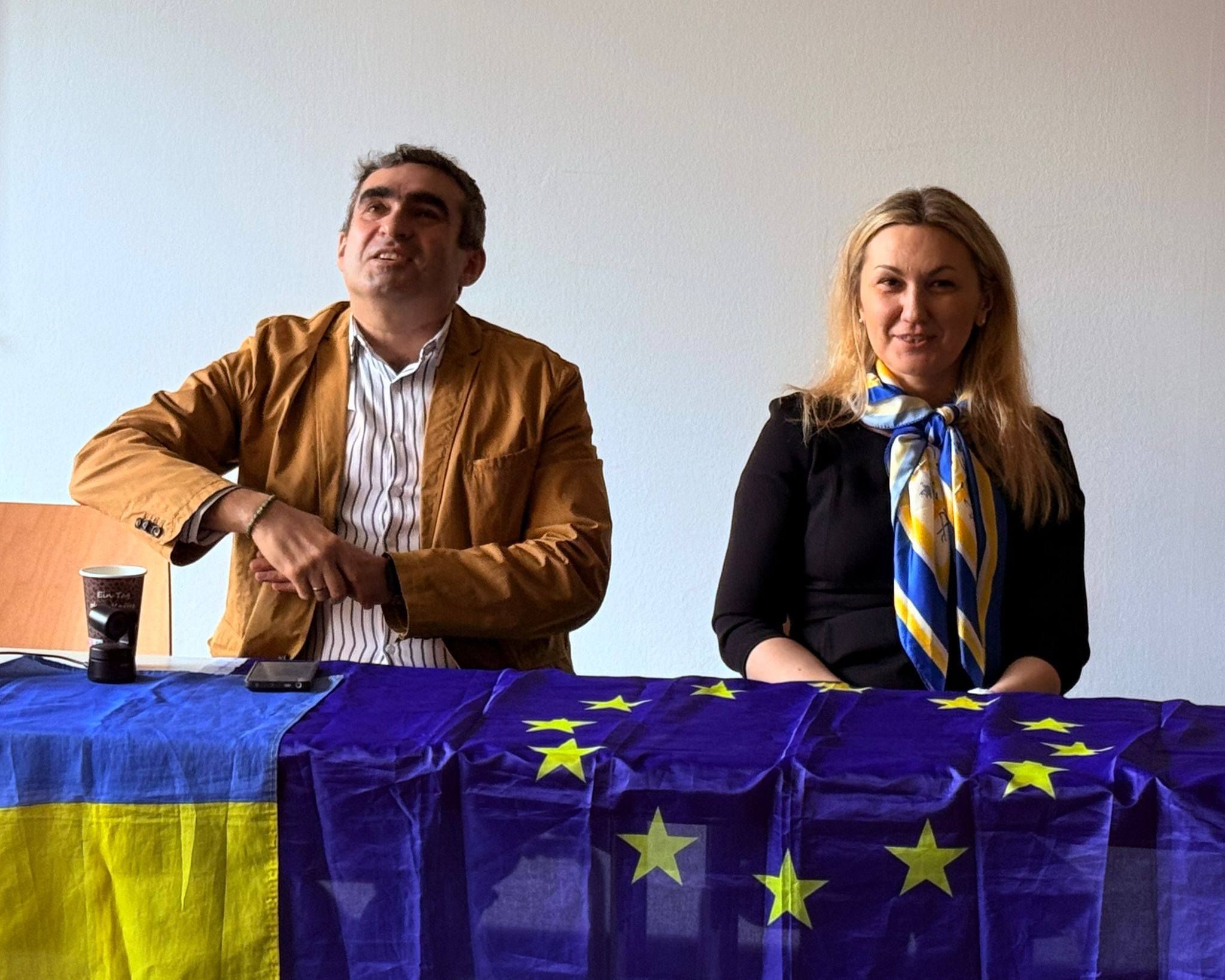
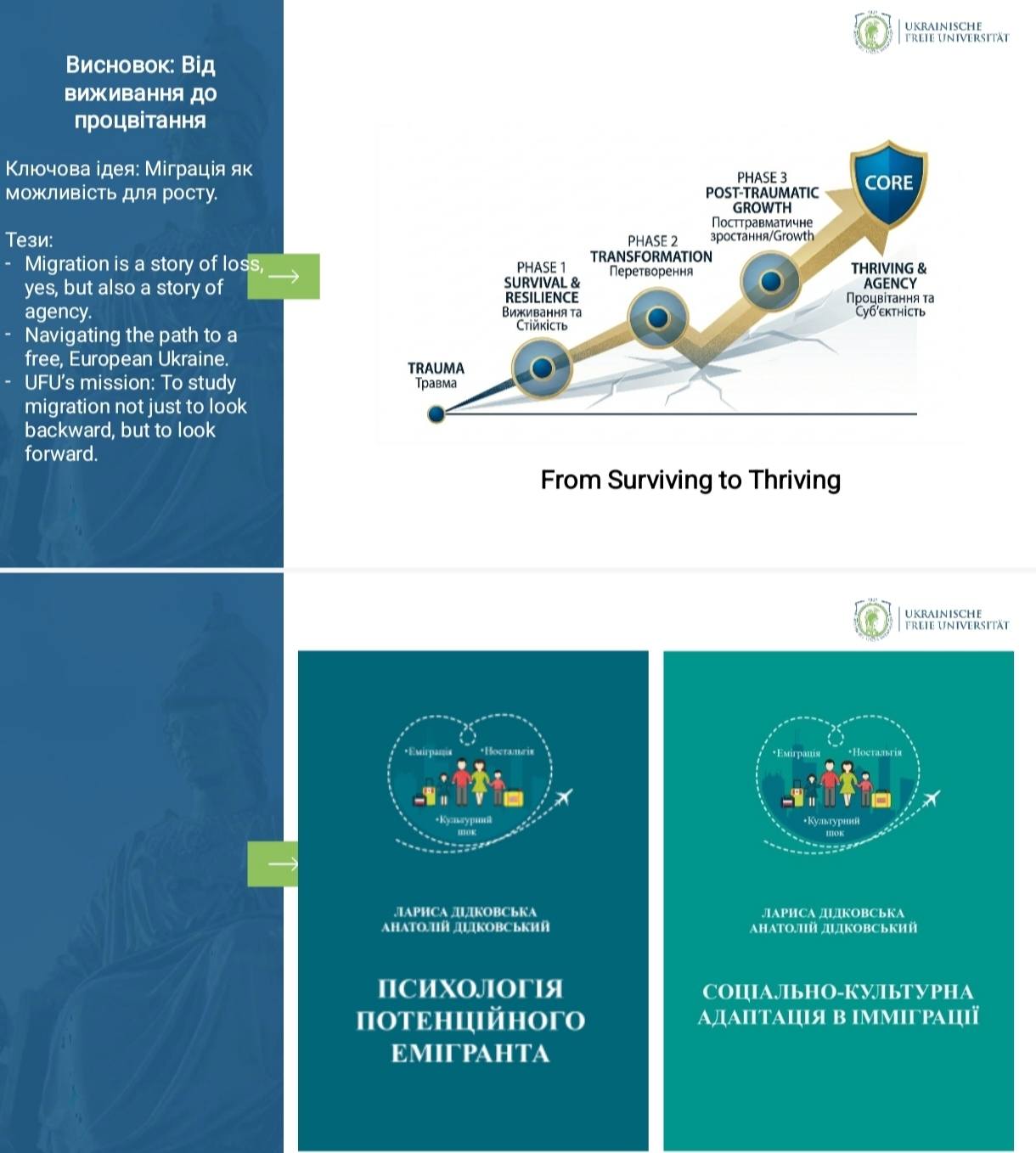
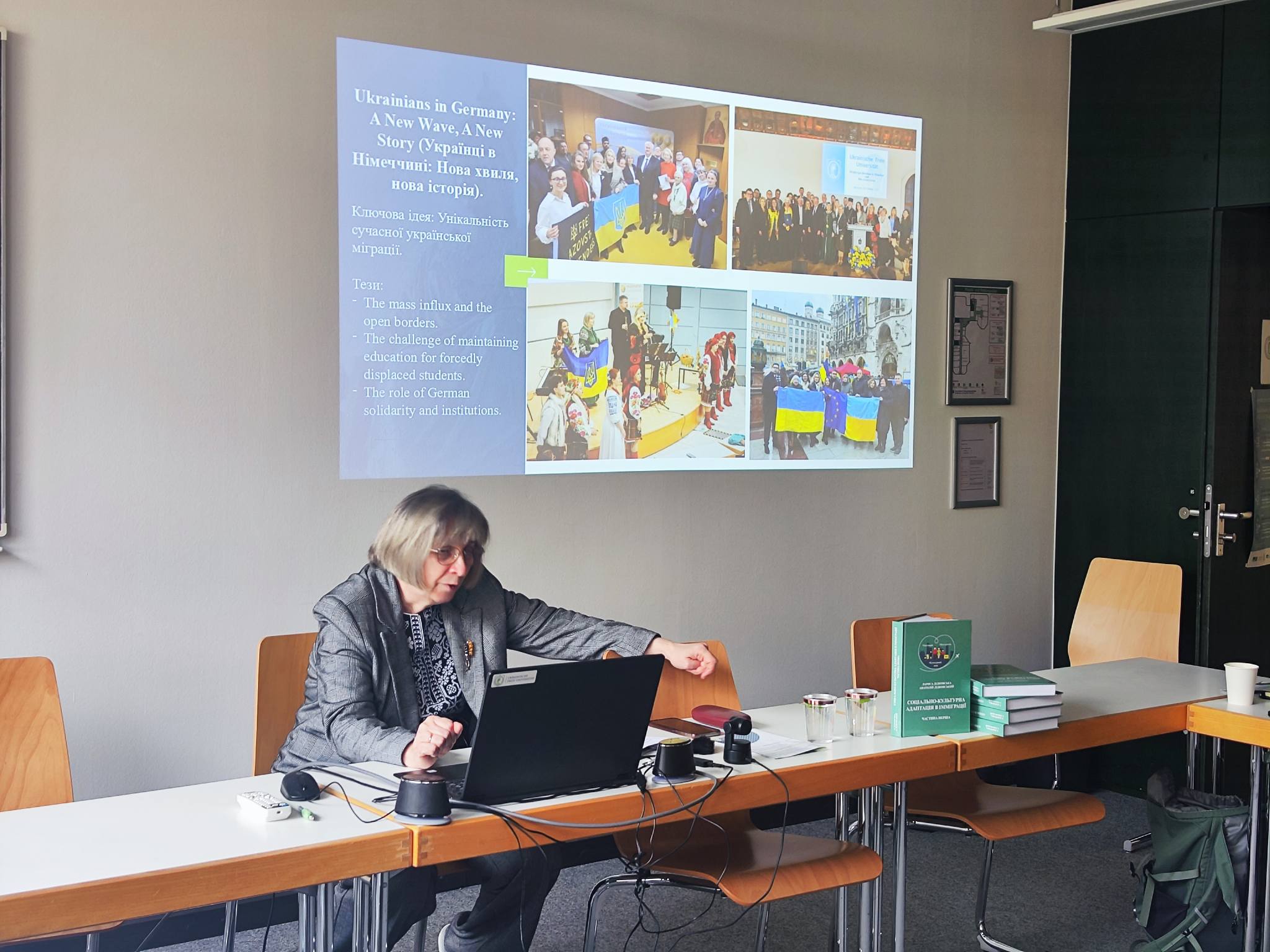
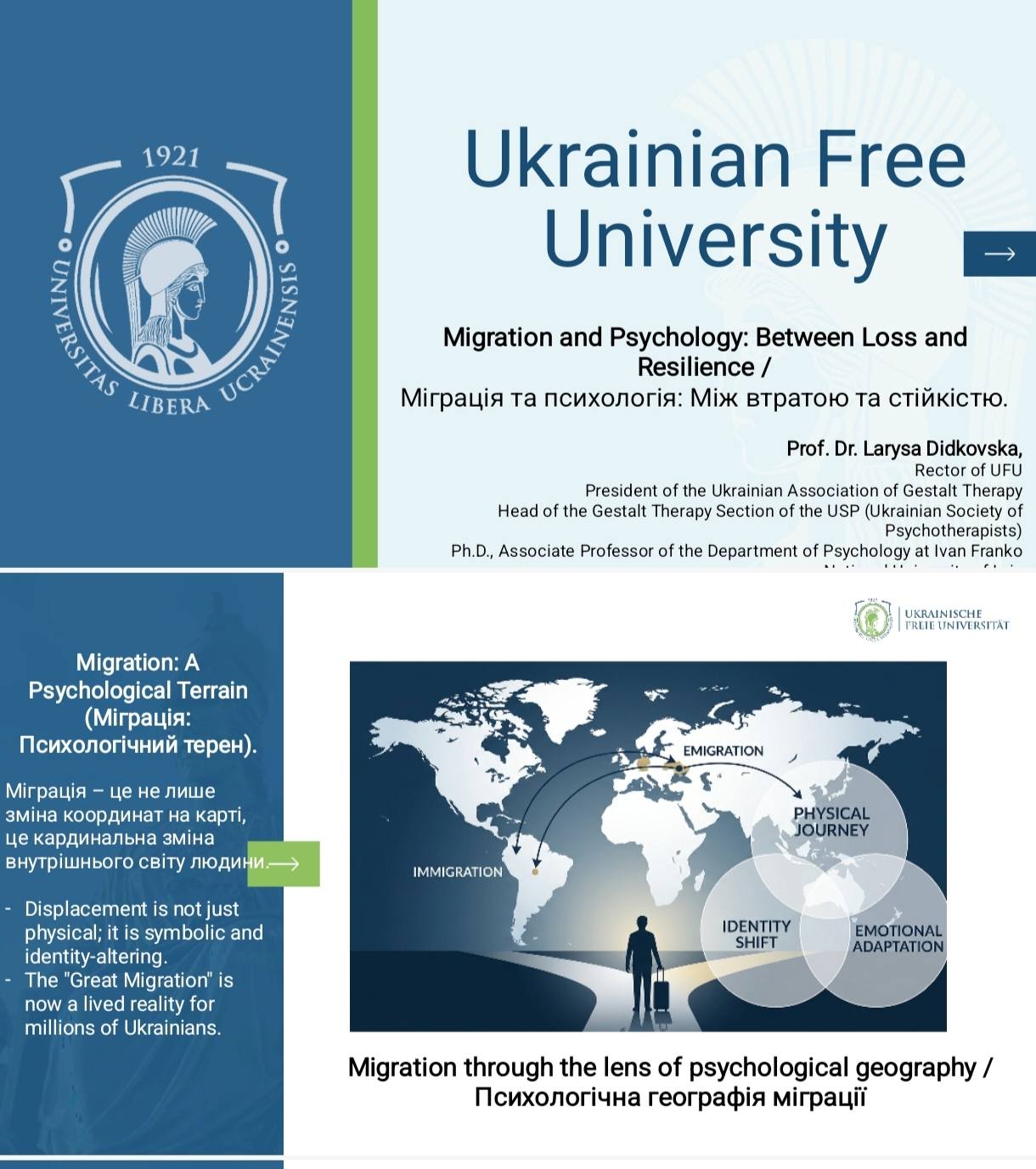
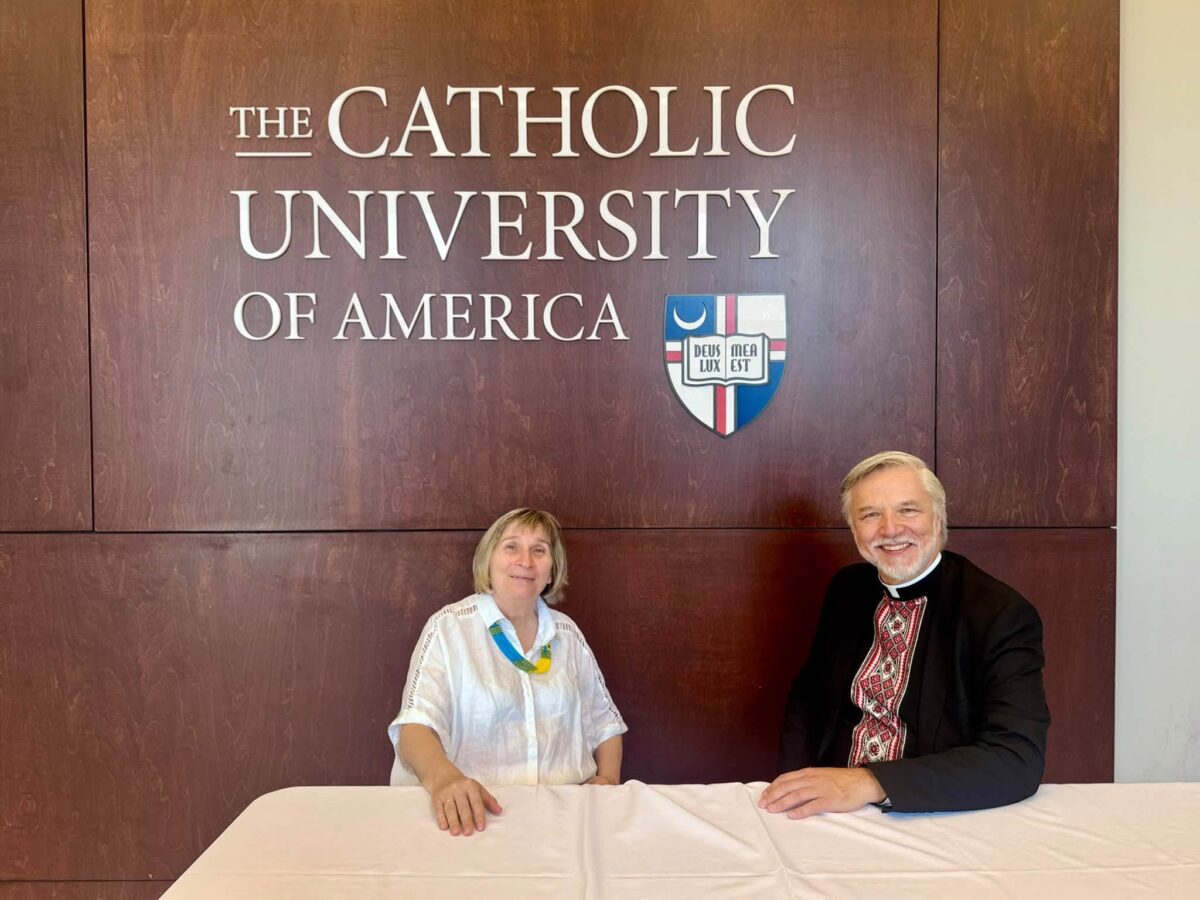
The final day was highlighted by a powerful lecture from the Rector of UFU, Professor Larysa Didkovska. She delved into the deep psychological mechanisms of migration, displacement, and the “geography of the soul”:
 𝐓𝐡𝐞 𝐆𝐞𝐧𝐝𝐞𝐫 𝐨𝐟 𝐀𝐝𝐚𝐩𝐭𝐚𝐭𝐢𝐨𝐧: Professor Didkovska noted that women often demonstrate higher adaptability due to their “multifunctional” social roles (mother, wife, professional). While men may face a “monofunctional” challenge in a new environment, women’s flexibility helps them navigate the transition more fluidly.𝐓𝐡𝐞 “𝐔-𝐂𝐮𝐫𝐯𝐞” 𝐨𝐟 𝐌𝐢𝐠𝐫𝐚𝐭𝐢𝐨𝐧: From the initial “honeymoon phase” and euphoria of a new place to the inevitable “culture shock” and crisis. The Rector explained that our psychic need for safety – predictable language, laws, and social circles – is what is most shattered during forced migration.𝐅𝐫𝐨𝐦 𝐕𝐢𝐜𝐭𝐢𝐦 𝐭𝐨 𝐅𝐢𝐠𝐡𝐭𝐞𝐫: In a moving conclusion, she addressed the shift in Ukrainian identity over the last five years. “𝑽𝒊𝒄𝒕𝒊𝒎𝒔 𝒄𝒂𝒏𝒏𝒐𝒕 𝒇𝒊𝒈𝒉𝒕; 𝒕𝒉𝒆𝒚 𝒂𝒓𝒆 𝒕𝒂𝒓𝒈𝒆𝒕𝒔 𝒇𝒐𝒓 𝒂𝒃𝒖𝒔𝒆𝒓𝒔. 𝑾𝒆 𝒉𝒂𝒗𝒆 𝒎𝒐𝒗𝒆𝒅 𝒃𝒆𝒚𝒐𝒏𝒅 𝒕𝒉𝒆 𝒗𝒊𝒄𝒕𝒊𝒎 𝒏𝒂𝒓𝒓𝒂𝒕𝒊𝒗𝒆 𝒕𝒐 𝒃𝒆𝒄𝒐𝒎𝒆 𝒔𝒖𝒓𝒗𝒊𝒗𝒐𝒓𝒔 𝒂𝒏𝒅 𝒆𝒏𝒕𝒊𝒕𝒍𝒆𝒅 𝒇𝒊𝒈𝒉𝒕𝒆𝒓𝒔.” This post-traumatic growth is now our primary national resource.
𝐏𝐑𝐀𝐂𝐓𝐈𝐂𝐀𝐋 𝐈𝐍𝐓𝐄𝐆𝐑𝐀𝐓𝐈𝐎𝐍: 𝐕𝐎𝐈𝐂𝐄𝐒 𝐅𝐑𝐎𝐌 𝐓𝐇𝐄 𝐅𝐈𝐄𝐋𝐃
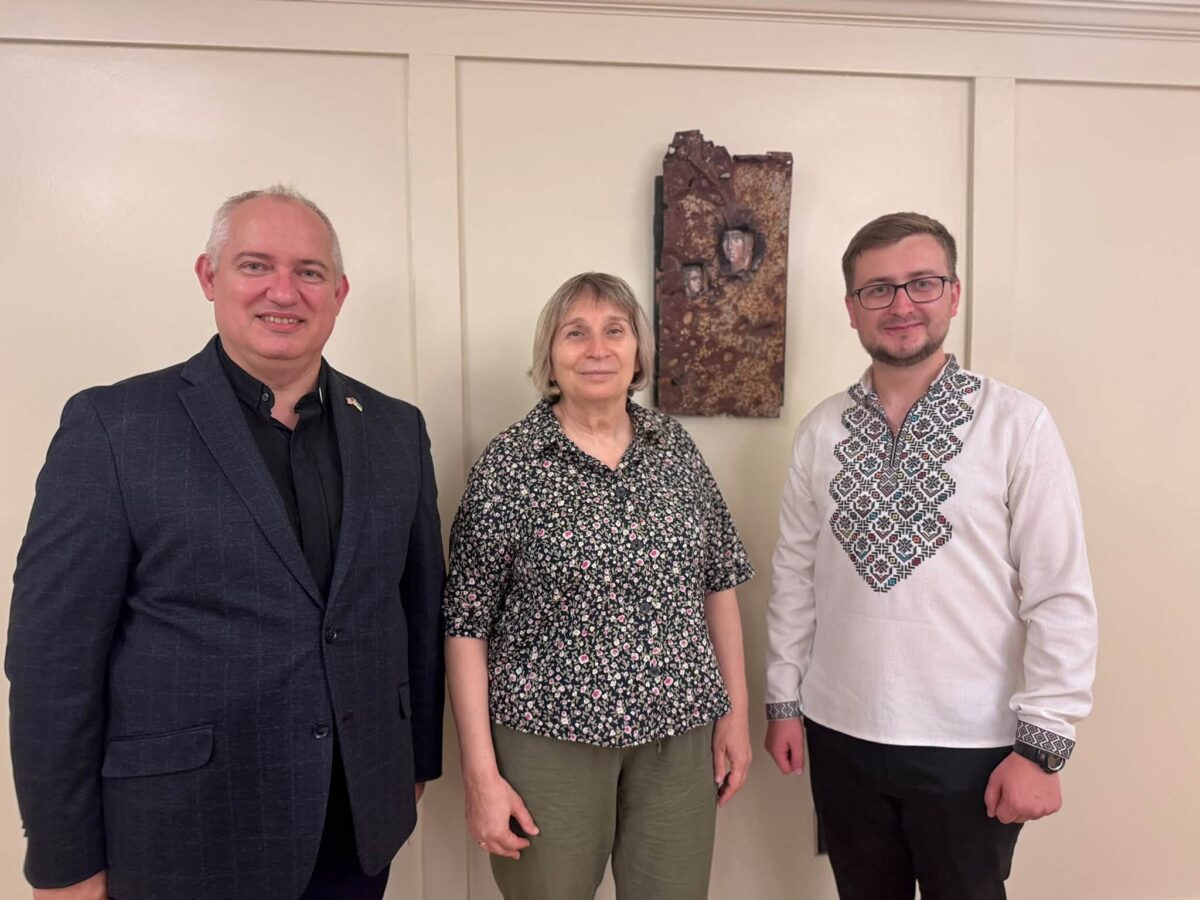
The closing panel featured Olga Dub-Büssenschütt, an expert in migration policy and a representative of the Munich Migration Board. Her insights bridged the gap between theory and the daily reality of the 22,000+ Ukrainian refugees in Munich:
𝐏𝐨𝐥𝐢𝐭𝐢𝐜𝐚𝐥 𝐏𝐚𝐫𝐭𝐢𝐜𝐢𝐩𝐚𝐭𝐢𝐨𝐧: As the first European candidate of Ukrainian origin in the CSU, Olga emphasized the importance of the Migrationsbeirat (Migration Board) as a voice for equal participation in education, work, and culture.𝐓𝐡𝐞 𝐑𝐞𝐚𝐥𝐢𝐭𝐲 𝐨𝐟 “𝐃𝐨𝐰𝐧𝐬𝐡𝐢𝐟𝐭𝐢𝐧𝐠”: The panel discussed the psychological trauma of losing social status. Many PhDs and professionals from Ukraine find themselves starting over, yet their integration is a “double result” – protecting their roots while adding new European experiences.𝐋𝐨𝐛𝐛𝐲𝐢𝐧𝐠 𝐟𝐨𝐫 𝐭𝐡𝐞 𝐅𝐮𝐭𝐮𝐫𝐞: Success isn’t just about bureaucracy; it’s about building bridges between the Ukrainian community, city administration, and NGOs to ensure that support remains effective and long-term.𝐇𝐄𝐀𝐑𝐓𝐅𝐄𝐋𝐓 𝐆𝐑𝐀𝐓𝐈𝐓𝐔𝐃𝐄
This Winter School would not have been possible without the synergy of many dedicated individuals.
We extend our deepest 𝐓𝐇𝐀𝐍𝐊 𝐘𝐎𝐔 to:
𝐎𝐮𝐫 𝐒𝐩𝐞𝐚𝐤𝐞𝐫𝐬 𝐚𝐧𝐝 𝐄𝐱𝐩𝐞𝐫𝐭𝐬: For sharing your profound knowledge and lived experiences.𝐓𝐡𝐞 𝐎𝐫𝐠𝐚𝐧𝐢𝐳𝐞𝐫𝐬 𝐚𝐧𝐝 𝐏𝐚𝐫𝐭𝐧𝐞𝐫𝐬: For creating a world-class academic platform in the heart of Munich.𝐓𝐡𝐞 𝐒𝐭𝐮𝐝𝐞𝐧𝐭𝐬 𝐚𝐧𝐝 𝐏𝐚𝐫𝐭𝐢𝐜𝐢𝐩𝐚𝐧𝐭𝐬: For your energy, your difficult questions, and your commitment to Ukraine’s intellectual future.𝐎𝐮𝐫 𝐆𝐮𝐞𝐬𝐭𝐬: For your solidarity and support.As we close this chapter, we carry with us the reminder that 𝐢𝐧𝐭𝐞𝐠𝐫𝐚𝐭𝐢𝐨𝐧 𝐢𝐬 𝐧𝐨𝐭 𝐚𝐧 𝐞𝐱𝐜𝐡𝐚𝐧𝐠𝐞 𝐨𝐟 𝐢𝐝𝐞𝐧𝐭𝐢𝐭𝐲, 𝐛𝐮𝐭 𝐚𝐧 𝐚𝐝𝐝𝐢𝐭𝐢𝐨𝐧 𝐭𝐨 𝐢𝐭. We return to our work and studies with a renewed sense of resilience – ready to build a free, European Ukraine.
“𝐈’𝐦 𝐨𝐤𝐚𝐲. 𝐓𝐡𝐞𝐲 𝐚𝐫𝐞 𝐨𝐤𝐚𝐲. 𝐖𝐞 𝐚𝐫𝐞 𝐬𝐢𝐦𝐩𝐥𝐲 𝐝𝐢𝐟𝐟𝐞𝐫𝐞𝐧𝐭 – 𝐚𝐧𝐝 𝐢𝐧 𝐭𝐡𝐚𝐭 𝐝𝐢𝐟𝐟𝐞𝐫𝐞𝐧𝐜𝐞 𝐥𝐢𝐞𝐬 𝐨𝐮𝐫 𝐬𝐭𝐫𝐞𝐧𝐠𝐭𝐡.” – 𝐏𝐫𝐨𝐟. 𝐋𝐚𝐫𝐲𝐬𝐚 𝐃𝐢𝐝𝐤𝐨𝐯𝐬𝐤𝐚
Text by Dr. Liliia Bondarenko