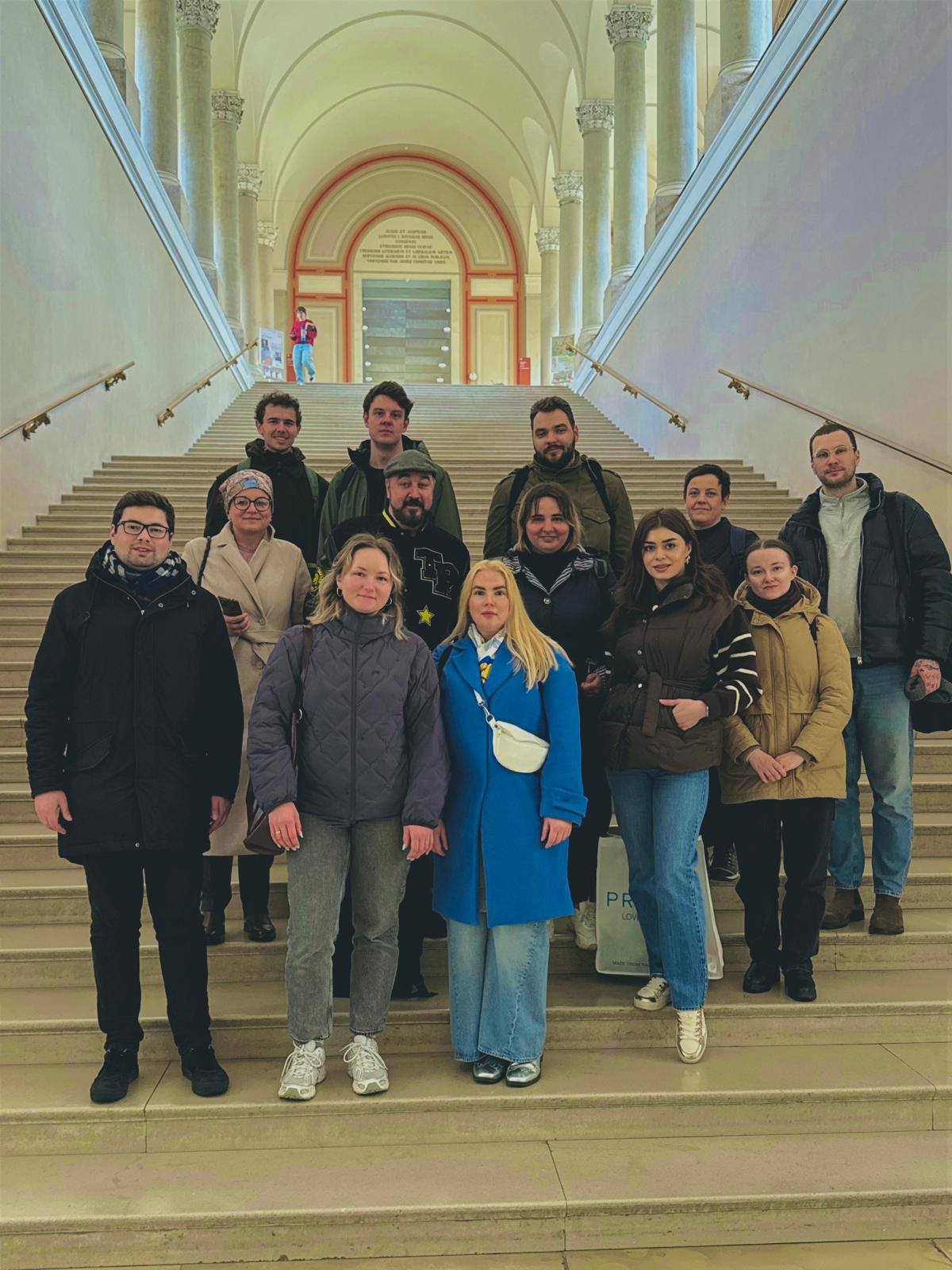
The fourth day of the 𝐖𝐢𝐧𝐭𝐞𝐫 𝐒𝐜𝐡𝐨𝐨𝐥 𝟐𝟎𝟐𝟔: “𝐔𝐤𝐫𝐚𝐢𝐧𝐢𝐚𝐧 𝐌𝐢𝐠𝐫𝐚𝐭𝐢𝐨𝐧 𝐢𝐧 𝐄𝐮𝐫𝐨𝐩𝐞 𝐚𝐧𝐝 𝐆𝐥𝐨𝐛𝐚𝐥𝐥𝐲 𝐢𝐧 𝐭𝐡𝐞 𝐗𝐗-𝐗𝐗𝐈 𝐂𝐞𝐧𝐭𝐮𝐫𝐲” served as an intellectual bridge between the historical roots of the Bavarian capital and the modern trajectories of the Ukrainian diaspora.
𝐌𝐎𝐑𝐍𝐈𝐍𝐆 & 𝐀𝐅𝐓𝐄𝐑𝐍𝐎𝐎𝐍: 𝐀𝐂𝐀𝐃𝐄𝐌𝐈𝐂 𝐏𝐄𝐑𝐒𝐏𝐄𝐂𝐓𝐈𝐕𝐄𝐒
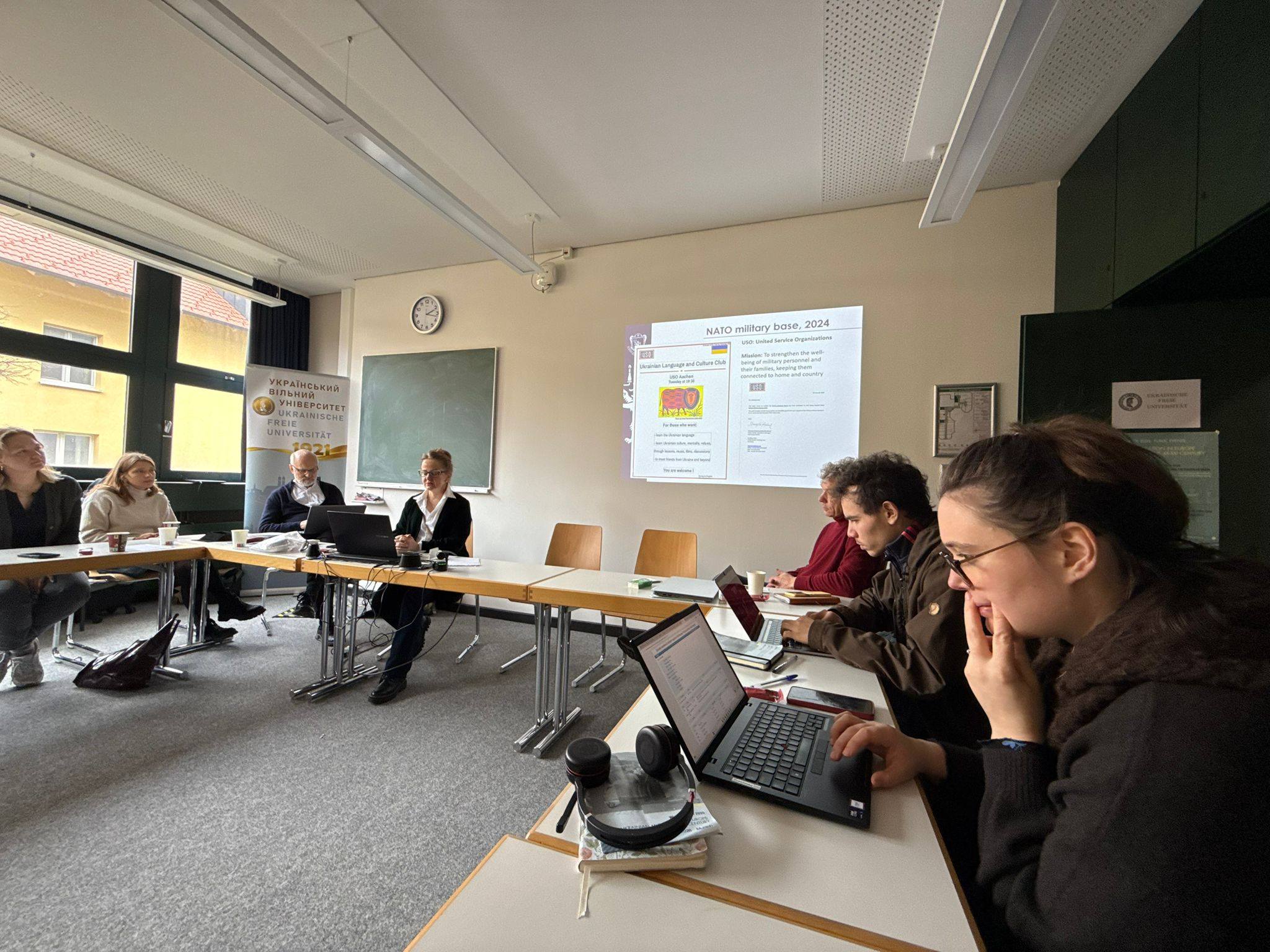
The core academic program provided a comprehensive look at the migration experience through history, geography, and language:
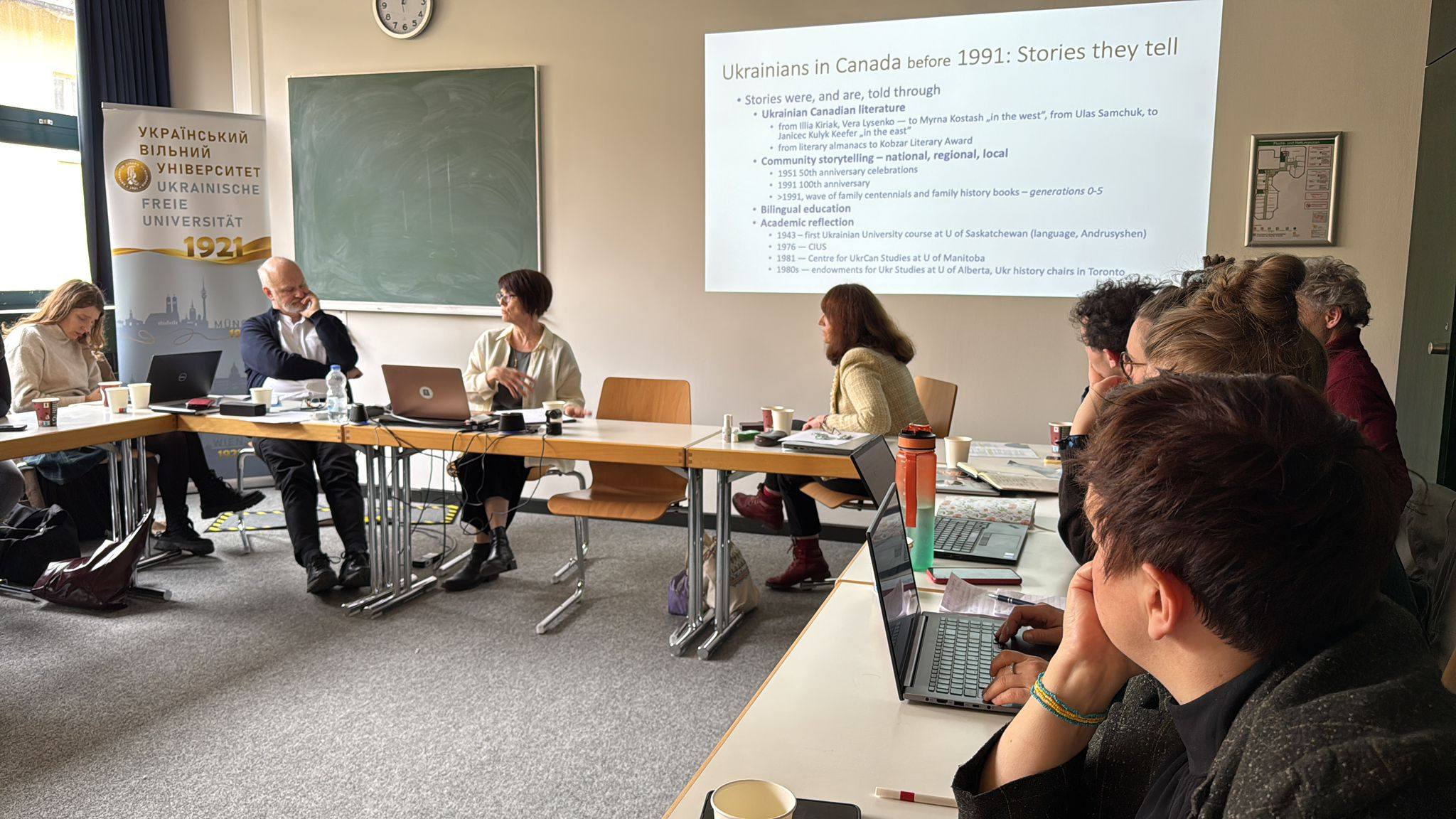
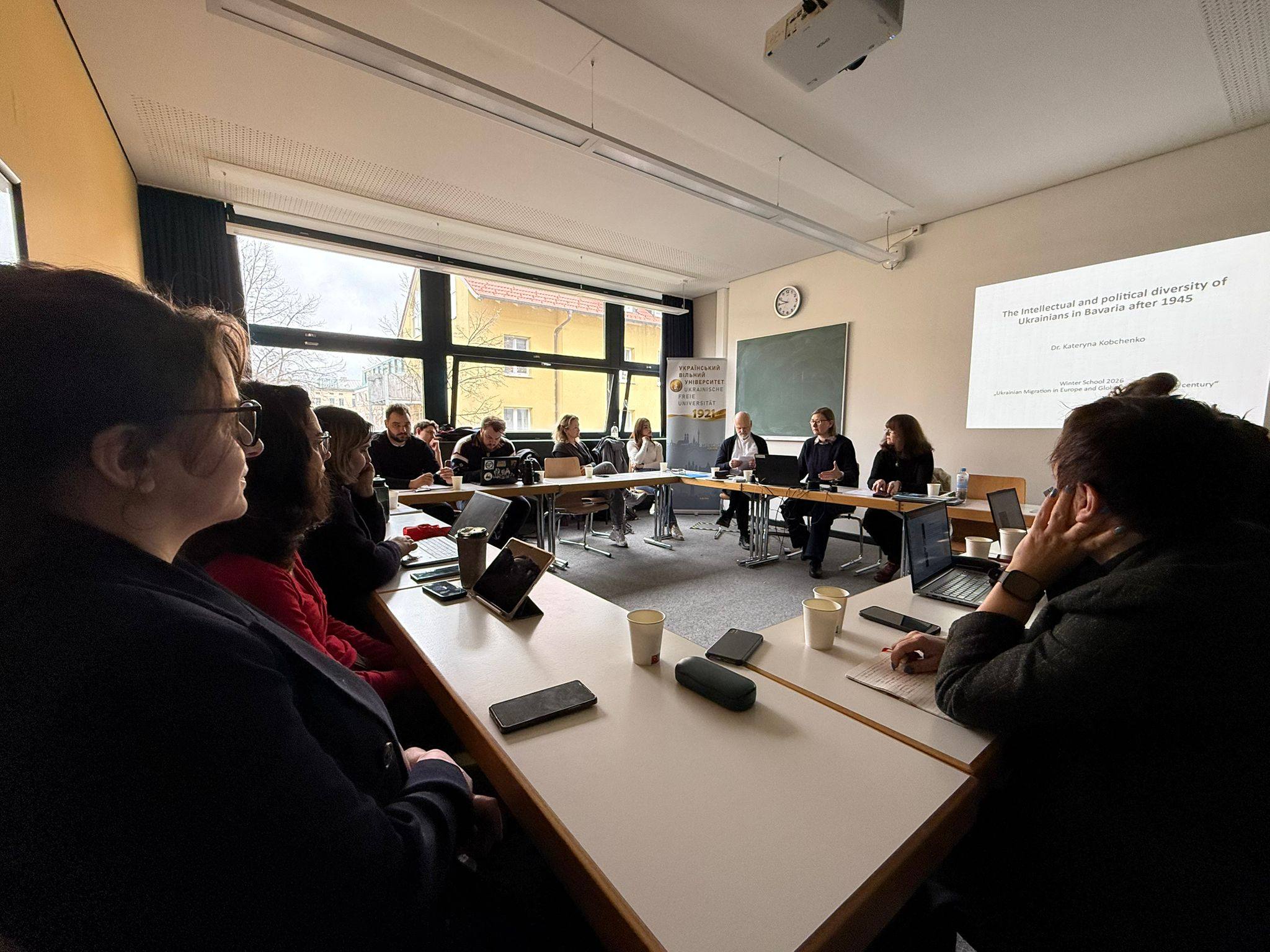
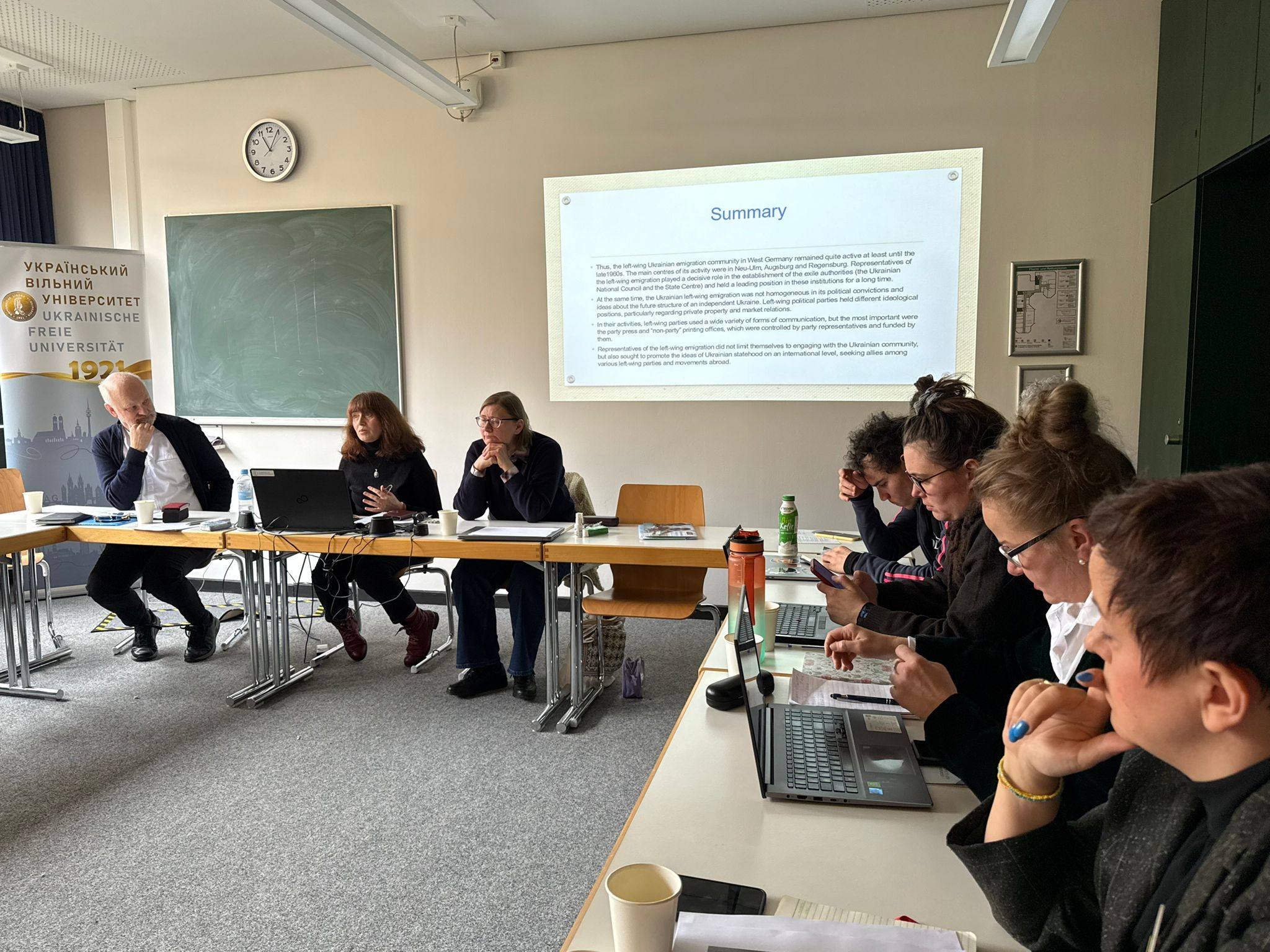
 𝐈𝐧𝐭𝐞𝐥𝐥𝐞𝐜𝐭𝐮𝐚𝐥 𝐚𝐧𝐝 𝐏𝐨𝐥𝐢𝐭𝐢𝐜𝐚𝐥 𝐃𝐢𝐯𝐞𝐫𝐬𝐢𝐭𝐲 𝐨𝐟 𝐔𝐤𝐫𝐚𝐢𝐧𝐢𝐚𝐧 𝐁𝐚𝐯𝐚𝐫𝐢𝐚 𝐚𝐟𝐭𝐞𝐫 𝟏𝟗𝟒𝟓: Dr. 𝐊𝐚𝐭𝐞𝐫𝐲𝐧𝐚 𝐊𝐨𝐛𝐜𝐡𝐞𝐧𝐤𝐨 (University of Muenster / UFU) and Prof. Dr. Polina Barvinska (South Ukrainian National Pedagogical University / University of Regensburg), chaired by Prof. Dr. 𝐆𝐮𝐢𝐝𝐨 𝐇𝐚𝐮𝐬𝐦𝐚𝐧𝐧, examined Bavaria as a unique sanctuary where Ukrainian thought was revitalized in the post-war era.𝐔𝐤𝐫𝐚𝐢𝐧𝐢𝐚𝐧 𝐌𝐢𝐠𝐫𝐚𝐭𝐢𝐨𝐧 𝐭𝐨 𝐂𝐚𝐧𝐚𝐝𝐚 𝐚𝐟𝐭𝐞𝐫 𝟏𝟗𝟗𝟏: Dr. Natalia Khanenko-Friesen (CIUS / University of Alberta) delivered a profound analysis of how the post-independence wave of migration integrated into and transformed the established Canadian-Ukrainian community.𝐔𝐤𝐫𝐚𝐢𝐧𝐢𝐚𝐧 𝐚𝐬 𝐚 𝐅𝐨𝐫𝐞𝐢𝐠𝐧 𝐋𝐚𝐧𝐠𝐮𝐚𝐠𝐞: Dr. Solomija Buk (University of Jena / Ivan Franko National University of Lviv), chaired by Dr. Alexander Kratochvil, led a vital session on pedagogical approaches and the preservation of linguistic identity in a globalized world.
𝐀 𝐇𝐈𝐒𝐓𝐎𝐑𝐈𝐂𝐀𝐋 𝐉𝐎𝐔𝐑𝐍𝐄𝐘 𝐓𝐇𝐑𝐎𝐔𝐆𝐇 𝐌𝐔𝐍𝐈𝐂𝐇
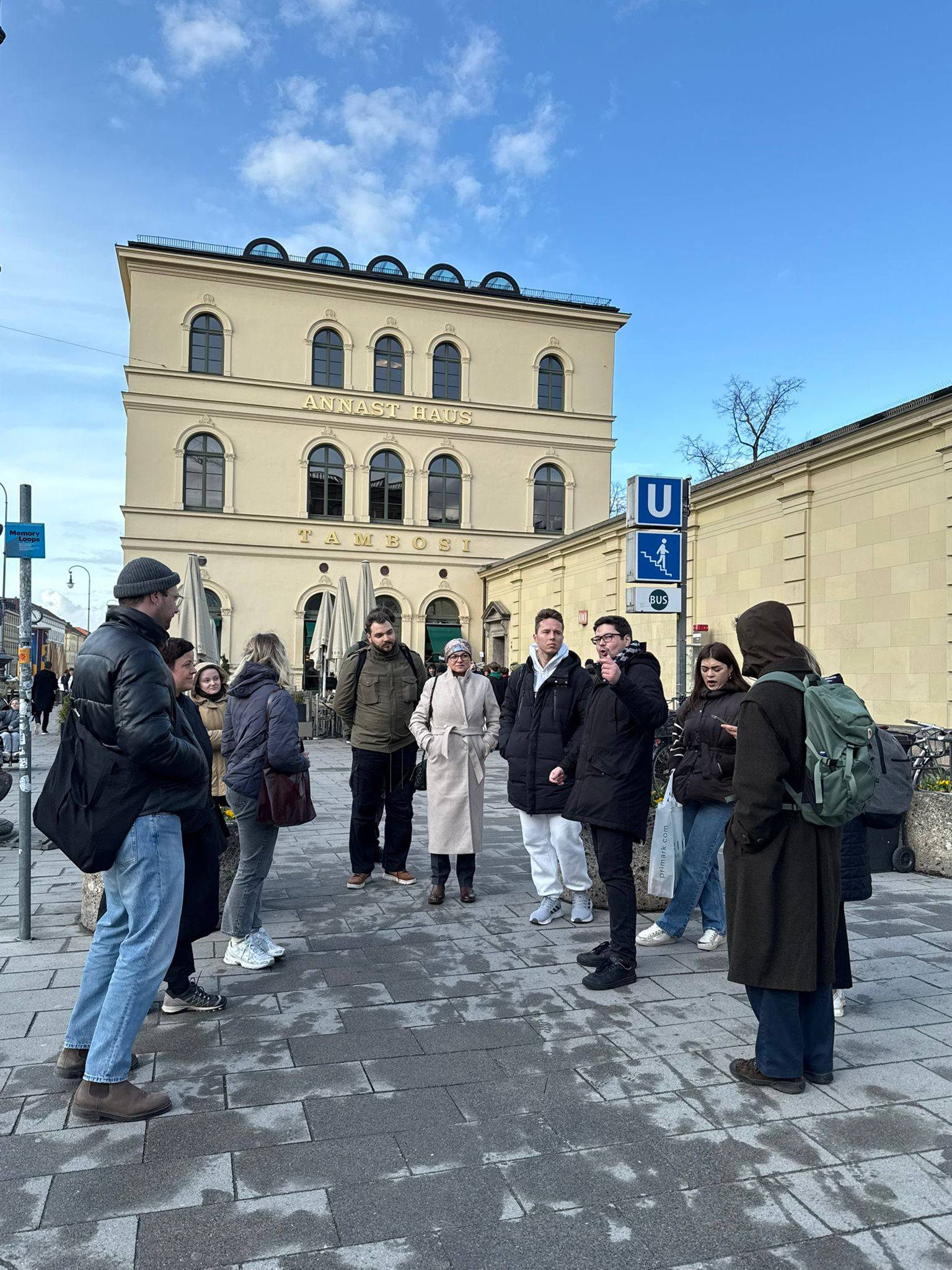
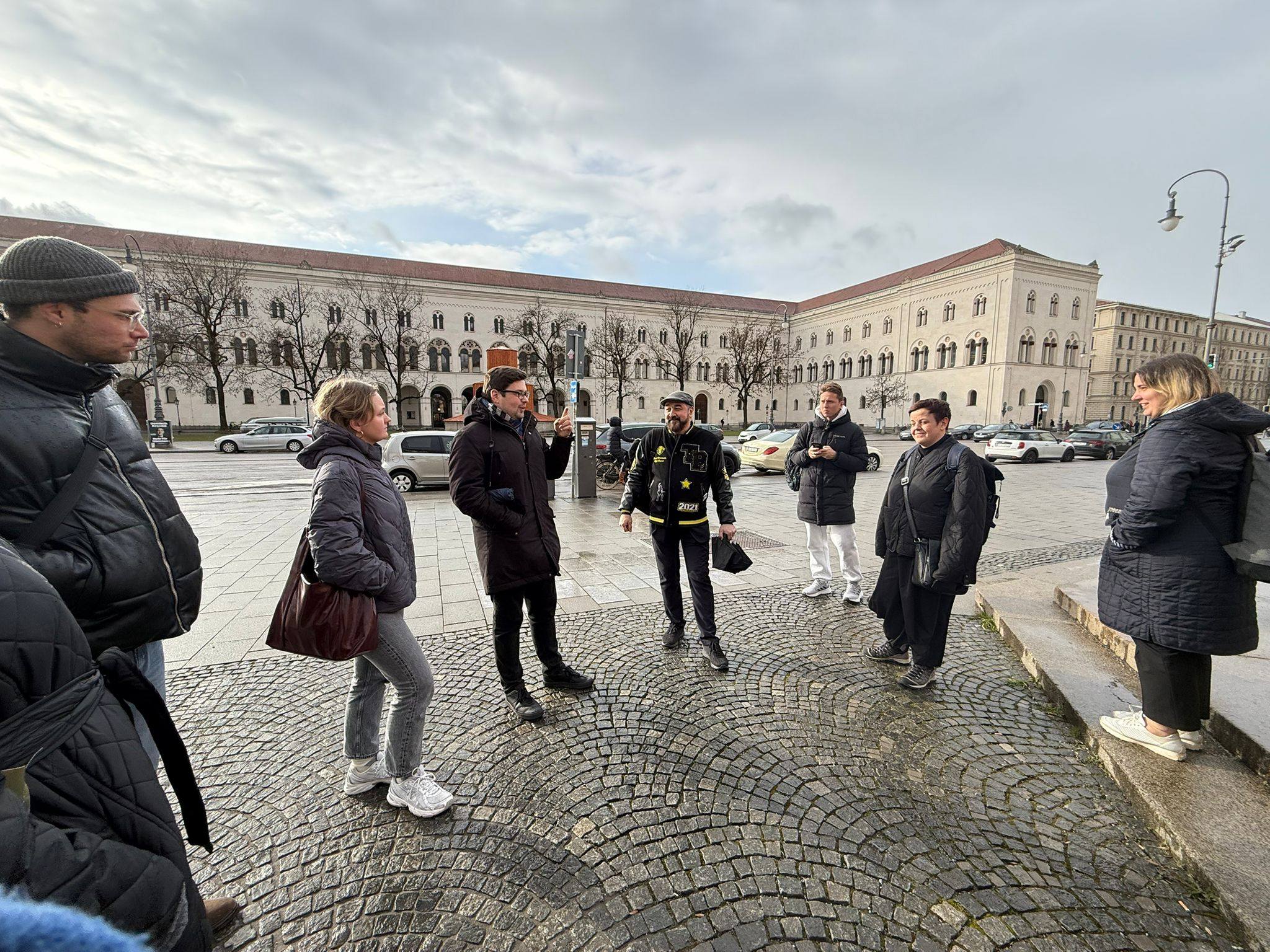
As a special addition to the official program, participants joined historian Dr. Roman Tiutenko for an immersive walking tour of Munich. Spanning 800 years of history, the journey took them from the 𝐒𝐢𝐞𝐠𝐞𝐬𝐭𝐨𝐫 (𝐕𝐢𝐜𝐭𝐨𝐫𝐲 𝐆𝐚𝐭𝐞) and the 𝐁𝐚𝐯𝐚𝐫𝐢𝐚𝐧 𝐒𝐭𝐚𝐭𝐞 𝐋𝐢𝐛𝐫𝐚𝐫𝐲 to 𝐎𝐝𝐞𝐨𝐧𝐬𝐩𝐥𝐚𝐭𝐳 and the 𝐑𝐨𝐲𝐚𝐥 𝐑𝐞𝐬𝐢𝐝𝐞𝐧𝐜𝐞. This excursion offered a tangible connection to the city that has served as a second home for generations of Ukrainians.
𝐄𝐕𝐄𝐍𝐈𝐍𝐆: 𝐒𝐇𝐀𝐑𝐄𝐃 𝐌𝐄𝐌𝐎𝐑𝐘 𝐀𝐍𝐃 𝐆𝐋𝐎𝐁𝐀𝐋 𝐂𝐇𝐀𝐋𝐋𝐄𝐍𝐆𝐄𝐒
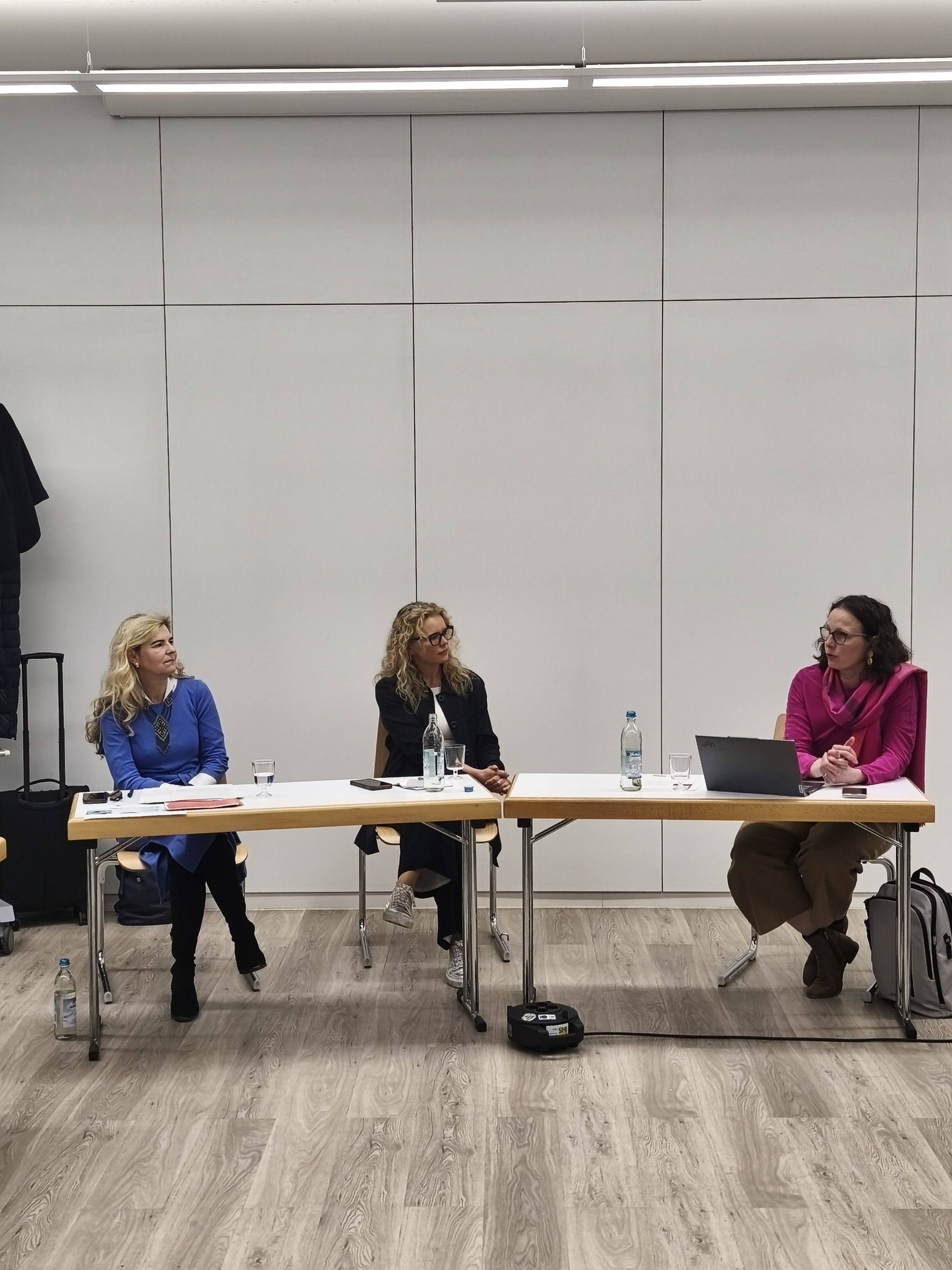
The day concluded at the Hochschule für Philosophie with a gripping round table: 𝐔𝐤𝐫𝐚𝐢𝐧𝐢𝐚𝐧 𝐌𝐢𝐠𝐫𝐚𝐭𝐢𝐨𝐧 𝐭𝐨 𝐆𝐞𝐫𝐦𝐚𝐧𝐲 𝐚𝐟𝐭𝐞𝐫 𝟐𝟎𝟐𝟐 𝐚𝐧𝐝 𝐆𝐞𝐫𝐦𝐚𝐧 𝐄𝐱𝐩𝐞𝐫𝐢𝐞𝐧𝐜𝐞𝐬 𝐨𝐟 𝐄𝐱𝐩𝐮𝐥𝐬𝐢𝐨𝐧 𝐚𝐟𝐭𝐞𝐫 𝟏𝟗𝟒𝟓.” Speakers Prof. Dr. 𝐊𝐚𝐭𝐫𝐢𝐧 𝐁𝐨𝐞𝐜𝐤𝐡 and Dr. 𝐓𝐚𝐧𝐣𝐚 𝐇𝐨𝐠𝐠𝐚𝐧-𝐊𝐥𝐨𝐮𝐛𝐞𝐫𝐭, chaired by Prof. Dr. 𝐉𝐚𝐧𝐚 𝐎𝐬𝐭𝐞𝐫𝐤𝐚𝐦𝐩, explored the parallels between historical German displacement and the contemporary Ukrainian reality, fostering a deeper mutual understanding within the European context
𝐓𝐎𝐃𝐀𝐘’𝐒 𝐇𝐈𝐆𝐇𝐋𝐈𝐆𝐇𝐓: 𝐏𝐒𝐘𝐂𝐇𝐎𝐋𝐎𝐆𝐘 𝐎𝐅 𝐌𝐈𝐆𝐑𝐀𝐓𝐈𝐎𝐍
We are honored to announce that today’s sessions will feature a keynote lecture by the Rector of the Ukrainian Free University, Prof. Dr. Larysa Didkovska, titled “𝐌𝐢𝐠𝐫𝐚𝐭𝐢𝐨𝐧 𝐚𝐧𝐝 𝐏𝐬𝐲𝐜𝐡𝐨𝐥𝐨𝐠𝐲.” This essential discussion will focus on the internal mechanisms of adaptation, the trauma of displacement, and the psychological resilience of the Ukrainian people.
“We study migration not only to look backward at where we have been, but to navigate the path toward where we are going: a free, European Ukraine.”
Text by Dr. Liliia Bondarenko